

Legacy of Dead Game Integration Costs for UK Platforms

For UK online casino operators and platform providers, integrating a well-known slot like Legacy of Dead is a strategic decision that hinges on a clear understanding of related costs. The process is far from a simple plug-and-play affair; it involves managing a complicated landscape of development development, compliance compliance, and commercial agreements. The total expenditure for bringing this renowned Play’n GO title to a platform can vary considerably, affected by factors ranging from the selected integration method and the platform’s existing infrastructure to the size of the operation and the exact terms arranged with the game provider. This article provides a comprehensive, objective analysis of the multiple cost components entailed in implementing the Legacy of Dead slot onto UK-facing platforms. It aims to supply business decision-makers with the economic insights needed to budget effectively, ensuring a flawless and profitable addition to their gaming portfolio while adhering to the strict requirements of the UK Gambling Commission.
Ongoing Operational and Maintenance Expenses
The financial commitment to hosting Legacy of Dead extends well beyond the initial launch. Ongoing operational and maintenance expenses represent a significant part of the total cost of ownership. These recurring costs maintain the game remains available, secure, and profitable. A primary expense is server hosting and content delivery network (CDN) fees. The high-quality graphics, sounds, and software of Legacy of Dead must be delivered to players with minimal latency, demanding robust, scalable hosting solutions, often charged on a monthly or usage basis. Secondly, technical maintenance is continuous. This includes:
- Monitoring game performance and uptime to ensure 99.9%+ availability.
- Applying security patches and updates provided by Play’n GO or the aggregator to protect against vulnerabilities.
- Securing compatibility with new versions of web browsers and mobile operating systems (iOS, Android).
- Resolving and resolving any player-reported issues related to game functionality or payment processing.
This maintenance requires either an internal technical team or a retainer with a third-party support service. Additionally, customer support teams must be educated to handle queries specific to Legacy of Dead, such as bonus round rules or perceived game issues, representing an indirect labour cost. Finally, commercial fees like the revenue share with the provider or transactional fees to an aggregator are perpetual costs directly tied to the game’s success.
Hidden Costs and Potential Financial Pitfalls
Sound budget management for game integration must account for potential unexpected charges and financial pitfalls that can inflate the total investment. One frequent mistake is the cost of delays. If integration takes longer than projected due to technical challenges or slow certification processes, the additional work time and foregone earnings form a significant concealed expense. Another risk involves scalability. A platform might incorporate Legacy of Dead effectively at a low initial player volume, but a surge in traffic—perhaps fueled by a marketing campaign—could uncover inadequate server capacity or technical limitations, requiring urgent and expensive infrastructure enhancements. Furthermore, changes in regulatory frameworks can impose unexpected costs. A new UKGC directive might demand a fundamental modification to how the game interacts with player accounts or shows warnings, initiating a round of re-development and re-testing. Finally, commercial agreement details can contain hidden provisions. Minimum monthly fees, charges for player migrations, or fees for utilizing new game features (like tournament modes) can all emerge after the initial contract is signed, affecting long-term profitability. A comprehensive due diligence process during contract negotiation is essential to reduce these risks.
Cost-Benefit Analysis and Investment Return (ROI)
In the end, the decision to add Legacy of Dead must be backed by a positive return on investment. A detailed cost-benefit analysis evaluates the overall integration and operational costs versus the expected financial and strategic benefits. From a financial standpoint, the key benefit is the net gaming revenue produced directly from the slot. Legacy of Dead’s high popularity, immersive theme, and bonus features usually result in solid player engagement and consistent revenue streams. From a strategic perspective, introducing such a high-quality title enhances the platform’s overall game portfolio, making it more competitive to new players. It can aid reduce player churn and boost customer lifetime value. To calculate a realistic ROI, platforms must project player acquisition costs, forecast gameplay volume, and consider the revenue share percentage. The break-even point will fluctuate; a big platform might absorb the costs quickly through its extensive user base, while a targeted platform might see a greater horizon. The analysis should also take into account intangible benefits like brand enhancement from offering a market-leading product and the possibility for cross-selling players to other games on the platform after they are engaged.
Incorporating the Legacy of Dead slot onto a UK platform is a multifaceted investment with costs encompassing first technical development, regulatory compliance, licensing, and continuous operations. The total expenditure is extremely variable, affected primarily by the chosen integration method, the platform’s current scale and infrastructure, and the strict demands of the UK regulatory environment. While direct integration provides control and aggregator models cut upfront cost, all paths accrue considerable, ongoing expenses for maintenance and revenue sharing. A effective integration, therefore, relies on meticulous planning, a full understanding of both apparent and indirect costs, and a pragmatic analysis of the projected return on investment. For UK operators, navigating this financial landscape carefully is the essential to achieving the value of this famous title while keeping a lawful and profitable operation.
Analysis of Primary Cost Parts
Beyond the comprehensive integration method, the total cost is comprised of several discrete components. A thorough budget must factor in each to prevent unforeseen expenses. The most considerable initial outlay is commonly development labour. This encompasses the man-hours required for software engineers to install the game’s API, verify it communicates correctly with the platform’s wallet, user database, and backend systems, and passes the stringent security audits mandated for UK operators. A additional major component is licensing and royalty fees. Play’n GO, as the developer, will demand a commercial agreement that typically involves a revenue share model, where a percentage of the net gaming revenue (NGR) generated by Legacy of Dead is paid to them. Otherwise, some agreements may entail a fixed fee or a cost-per-player model. Thirdly, compliance and testing costs are essential in the UK market. Every integrated game must undergo independent testing by a UKGC-approved body (like eCOGRA or iTech Labs) to confirm its fairness, randomness, and compliance with technical standards. This testing generates direct fees. Furthermore, ongoing costs include platform maintenance, server hosting for the game content, customer support training specific to the title, and potential marketing expenditures to market the new addition to the player base.
Comprehending Integration Methods and Their Expense Implications
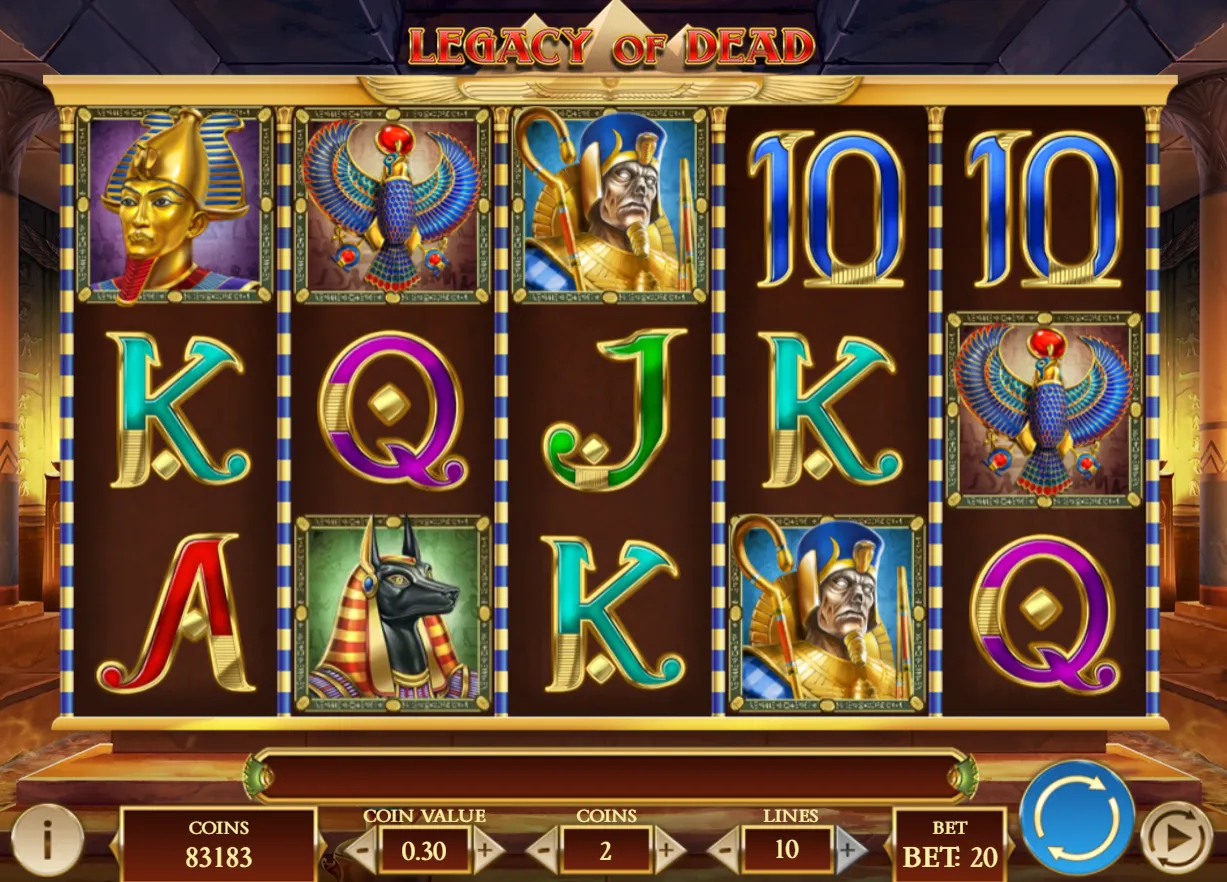
The key factor deciding the overall cost of integrating Legacy of Dead is the method selected for the task. Generally, platforms have three primary avenues, each with separate financial and operational implications. The first is direct integration via an Application Programming Interface (API) offered by Play’n GO. This method offers the most control and possibility for a customized user experience but is usually the most expensive and time-consuming. It necessitates a specialized in-house or external development team to manage the technical implementation, rigorous testing, and continual maintenance, leading to significant upfront and recurring labour costs. The next, and most frequent for smaller to mid-sized operators, is integration through a third-party game aggregator. These aggregators function as intermediaries, providing a collection of games from several providers, including Play’n GO, through a unified, unified API. This approach significantly reduces development complexity and cost, as the platform only needs to integrate once with the aggregator’s system. Nonetheless, it often entails revenue-sharing agreements or increased transactional fees, which can influence long-term profitability. The last method is using a white-label or turnkey casino solution, where the Legacy of Dead slot legacy of dead non-stop customer support is included as part of a pre-packaged platform. Here, integration costs are combined into the overall licensing fee for the solution, offering the least technical barrier but the minimum brand and operational independence.
Compliance with Regulations: A Non-Negotiable Cost Factor
In the United Kingdom, compliance with regulations is not a secondary concern but a key and expensive foundation of any game integration. The UK Gambling Commission applies some of the world’s toughest rules, and failure to adhere can lead to severe penalties or licence revocation. The integration of Legacy of Dead therefore needs to include several compliance-specific features from the outset. This involves seamless connectivity with national self-exclusion schemes like GAMSTOP, rigorous age and identity verification processes before a player can access real-money play, and the deployment of mandatory responsible gambling tools such as deposit limits and reality checks. Implementing these features increases development time and cost. Furthermore, all game mechanics—including its Return to Player (RTP) percentage, random number generator (RNG), and bonus round behaviour—must be approved by a UKGC-approved testing house. This certification process incurs fees and can lead to project delays. Ongoing compliance costs also encompass regular audits and potential updates to the game or its integration to meet changing regulatory standards, such as those concerning more explicit financial risk warnings or more rigorous affordability checks.
Effect of Platform Size and Current Infrastructure
The size and technological sophistication of the integrating platform are key cost determinants. A big, established UK operator with a proprietary, sophisticated platform may encounter lower relative integration costs for a individual slot like Legacy of Dead, as they presumably have an experienced development team and robust, adaptable systems already in place. Their cost is primarily the labour for the specific task and the commercial terms with Play’n GO or an aggregator. Conversely, a new market entrant or a smaller platform building from scratch will face significantly higher costs. They must invest in the core platform infrastructure able of supporting modern HTML5 slots, which includes secure payment gateways, player verification systems, and responsible gambling tools—all UKGC requirements—before even contemplating game-specific integration. For such operators, the aggregator or white-label route often presents a more viable financial model, despite the long-term trade-offs in revenue share. The complexity grows if the platform operates across multiple jurisdictions, as additional work may be necessary to geolocate the game and manage different regulatory requirements, even if the immediate focus is the UK.